
April 22, 2026
Every day, millions of Canadians make small decisions about how they move through their cities. They wait for a bus or a train, step onto a platform, tap a card, and head to work, school, or home. Those moments may feel routine. But repeated across a city, day after day, they start to add up to real changes in how cities move and consume energy. When transit options are comfortable, accessible, safe, and reliable, those daily decisions become easier, and choosing lower carbon travel becomes part of routine rather than a conscious trade off.
Across major Canadian cities, investments in transportation are increasingly tied to climate outcomes. Electrified bus fleets are replacing diesel, light rail networks are extending farther into communities, and station design is evolving to improve comfort, safety, and the overall waiting experience for riders. Together, these changes suggest progress rarely comes from one decision or one breakthrough. Instead, it relies on systems that make sustainable choices the easy, natural choice. This shift reflects the work cities are doing behind the scenes, planning, building, and investing in transit systems that align everyday travel with long term climate goals. This perspective aligns with the Earth Day theme this year, Our Power, Our Planet, which highlights how everyday participation adds up to meaningful, shared impact when systems are designed to support it.
Electric buses are one of the most practical ways cities are lowering emissions through everyday transit. As cities transition fleets toward zero emission vehicles, the focus goes well beyond the bus itself. Charging infrastructure, operational planning, maintenance facilities, and rider experience all become part of the equation. Unlike rail systems, e-buses scale to places that may not have the density, right-of-way, or funding to support LRT or subways. Not every city can justify rail, but almost every city has roads, making electrified bus networks one of the most accessible paths to lower carbon mobility.
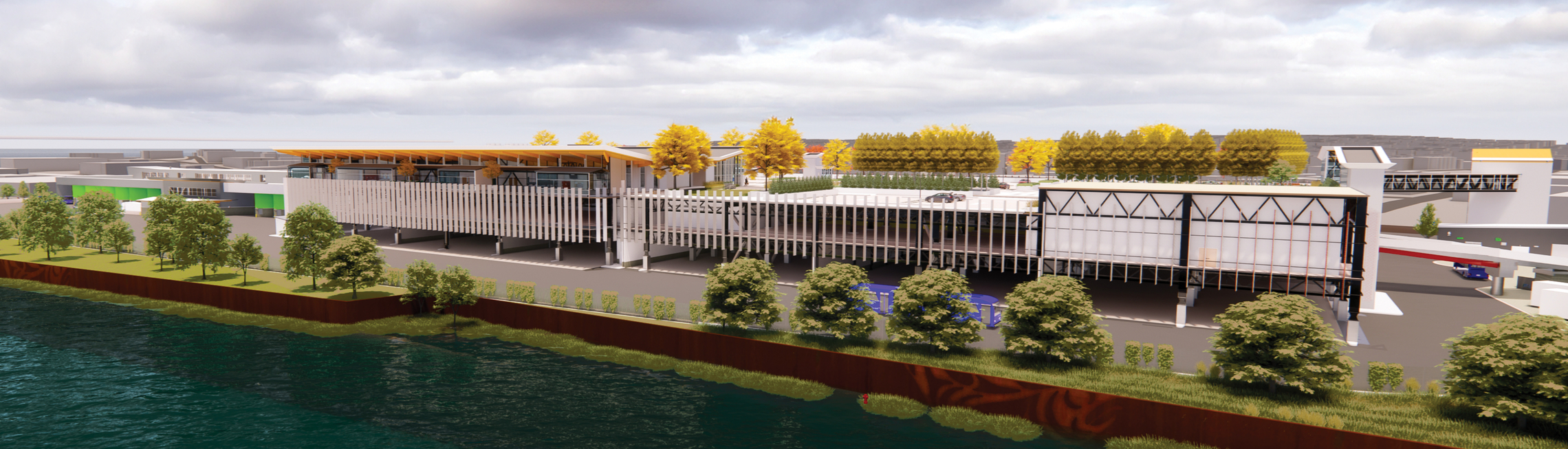
Our work supporting e bus adoption focuses on the infrastructure that makes these transitions possible, from new maintenance and charging facilities to retrofitting depots originally built for diesel fleets. In regions like Metro Vancouver, where buses carry more than one million riders each day across a service area of nearly 1,800 square kilometres, these behind the scenes decisions directly affect system reliability at scale. This approach is reflected in projects such as the Marpole Transit Centre in Vancouver and the Cadetta Johnston Transit Facility in Brampton, where our teams are working with transit agencies to convert legacy operations to support electric vehicles, addressing power requirements, vehicle circulation, safety, and long term operational efficiency.
Rail transit systems build on the same idea of making sustainable travel an easy daily choice. Their success depends on more than tracks and vehicles; it depends on whether people can use them easily and with confidence. Stations within walkable catchments, connected to bike networks and community amenities, support more efficient daily travel and can reshape entire corridors over time. In Toronto and Calgary, investments like the Ontario Line and the Green Line demonstrate how rail transit can support growth while easing pressure on roads and lowering the carbon footprint of everyday travel.
For those involved in transportation design, this shift carries responsibility. Transit environments must be durable, adaptable, and thoughtfully integrated into their surroundings. Materials, construction strategies, and operational lifecycles influence environmental impact well beyond initial construction. Equally important is creating places that feel safe, legible, and accessible, encouraging people to choose transit not once, but again and again. The responsibility of transportation designers extends to behind‑the‑scenes decisions that reduce operational energy over the life of a system. On the Ontario Line, for example, our team is designing the Flemingdon Park, Don Valley, and Thorncliffe Park elevated stations, incorporating passive ventilation approaches that support natural airflow and reduce reliance on powered mechanical systems.

This is where everyday choices begin to show their cumulative effect. When transit works well for communities, sustainable travel becomes routine rather than an occasional compromise. The impact at scale can be significant: the Ontario Line is projected to remove the equivalent of tens of thousands of car trips from Toronto’s roads each day, while Calgary’s Green Line is expected to shift nearly five million trips from vehicles to transit each year.
The power of sustainable transportation lies in its ordinariness. A bus arriving on time. A station that’s easy to reach. A route that works well enough to choose again tomorrow. When systems are designed to support those everyday moments, individual decisions quietly accumulate into lasting change — shaping cities that move more efficiently, more equitably, and with a lighter footprint over time.